
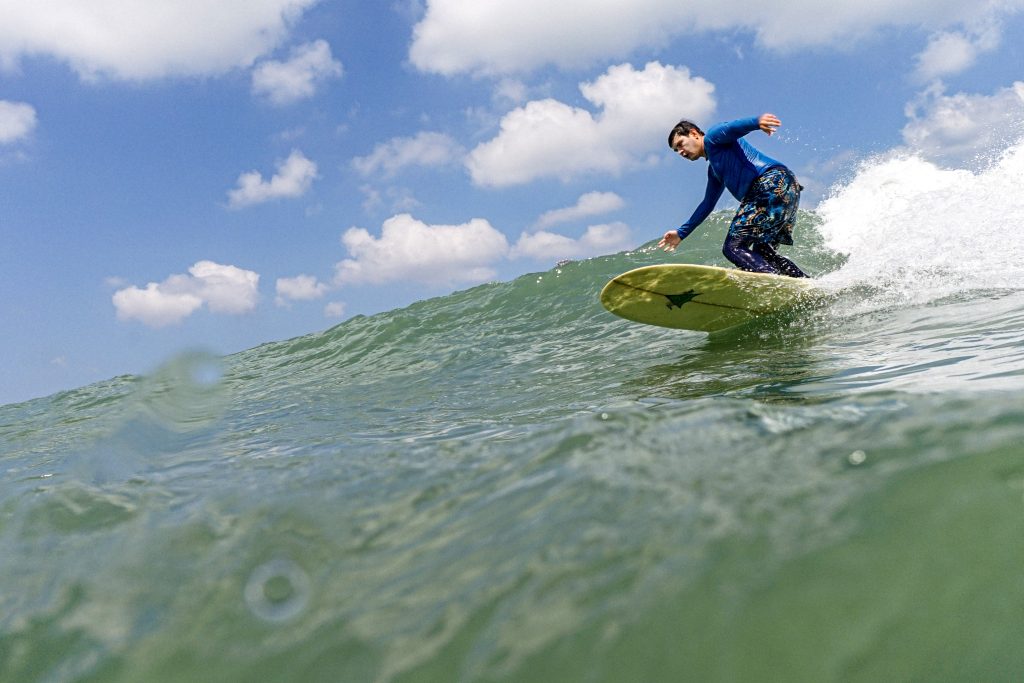
Packing for a surf trip raises a surprising number of questions. Do you need a wetsuit in Bali? What actually stops that chest rash everyone talks about? Is any swimwear fine, or does it matter? Here’s a practical, no-nonsense breakdown of what to wear surfing in Bali — including which brands are actually worth buying — so you can pack once and get it right.
The One Piece You Shouldn’t Skip: A Rash Guard
If you buy exactly one piece of surf-specific clothing before your trip, make it a rash guard. A tight, UPF 50+ long-sleeve top does two jobs at once: it blocks equator-strength sun exposure during long sessions, and it prevents “wax rash” — the friction irritation that comes from repeatedly lying chest-down on a waxed board.
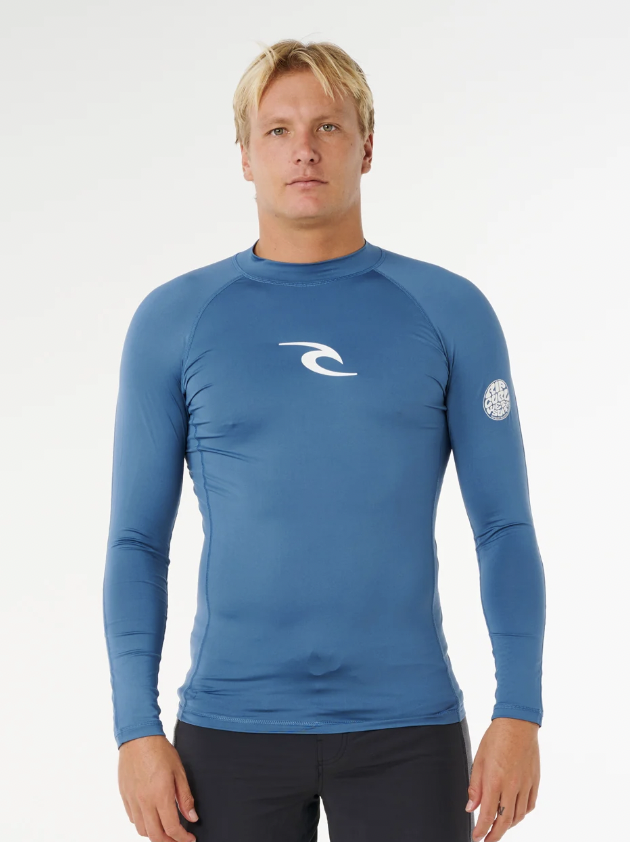
Image by: ripcurl.co.id
Solid, reliable options at different price points include:
A long-sleeve style is worth the extra coverage in Bali specifically, since UV exposure here is intense year-round.
Boardshorts and Swimwear
Regular swim trunks or a standard bikini will technically work for your first lesson, but purpose-built surf swimwear pays off fast — it’s designed to stay secure through wipeouts and dries far quicker between sessions.
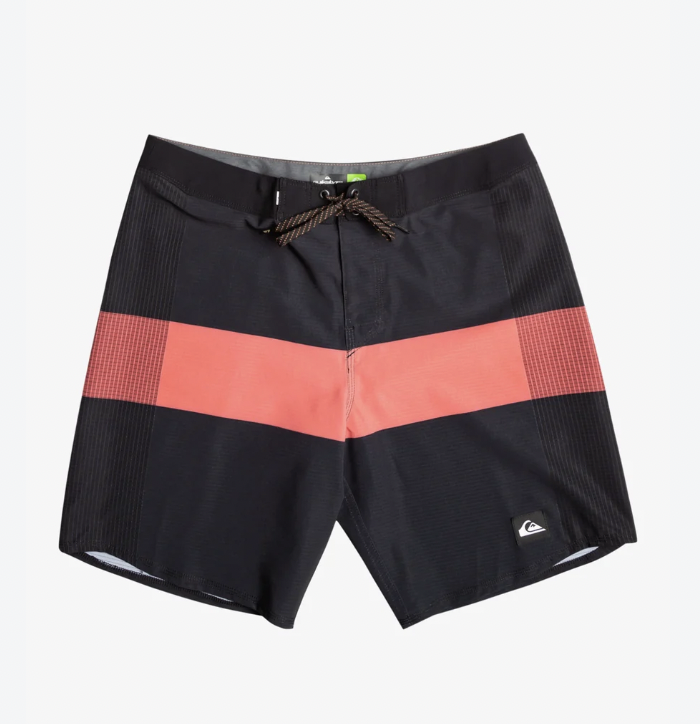
Image by: boardridersbali.com
Look for a secure waist closure (drawcord or velcro) and quick-dry fabric — cotton boardshorts or swim trunks will feel heavy and sag once soaked.
Reef Booties
Not always essential for your very first lesson on a sandy beach break, but worth knowing about as you progress. Reef booties are thin, flexible neoprene shoes with a reinforced rubber sole, designed to protect your feet when a break has a shallow, jagged coral or limestone bottom — spots like Balangan or Uluwatu are good examples in Bali. If your lessons stay on sand-bottomed beaches like Kuta or Seminyak, you likely won’t need them right away.
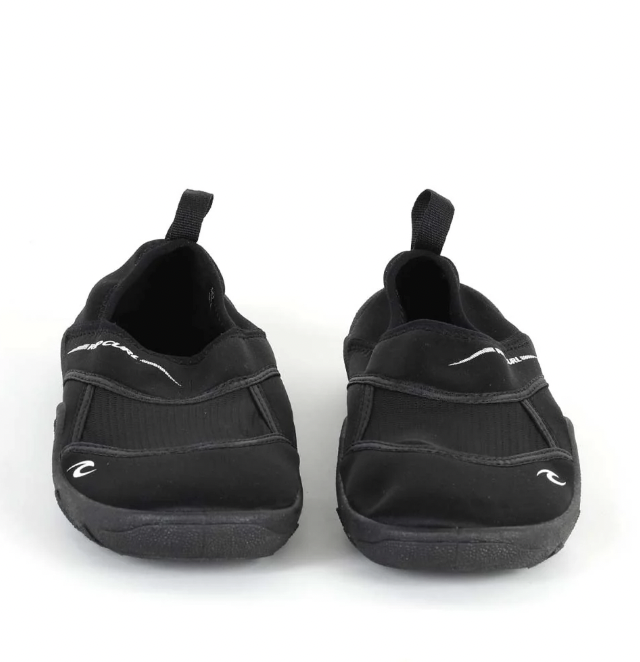
Image by Ripcurl Indonesia
Reef-Safe Sunscreen
This one matters more than people expect. Standard chemical sunscreens containing ingredients like oxybenzone and octinoxate have been linked to coral reef damage, so a mineral, non-nano zinc oxide formula is the better choice both for your skin and for the reef itself. Reputable reef-safe options include:
Apply about 15–20 minutes before paddling out so it has time to set, and reapply after any extended session — mineral sunscreen wears off with friction and time in the water, not just swimming.
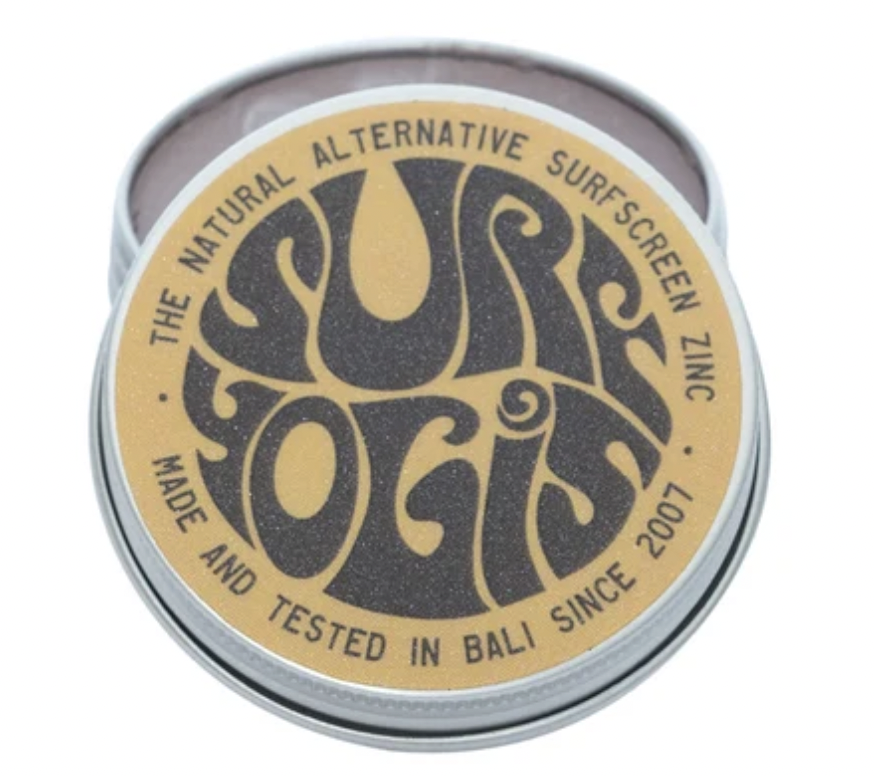
Image by: surfyogis.com
Do You Actually Need a Wetsuit?
No — and this surprises a lot of first-time visitors packing based on surf trips they’ve seen elsewhere. Bali’s water temperature sits comfortably between 27°C and 29°C (roughly 81–84°F) year-round, which is warm enough that a wetsuit would be uncomfortable rather than helpful. A rash guard and boardshorts or swimwear is genuinely all you need for warmth and coverage here.
A Simple Packing List
- 1–2 UPF 50+ rash guards (long sleeve recommended)
- 2–3 pairs of quick-dry boardshorts or surf-specific swimwear
- Reef-safe mineral sunscreen (SPF 30+, ideally 50+)
- Reef booties (optional for beach breaks, recommended once you progress to reef spots)
- A hat and sunglasses for time on the beach between sessions
Buying Locally vs. Packing Ahead
If you’d rather not check a bag full of gear, Bali’s surf towns — Kuta, Seminyak, and Canggu especially — are packed with surf shops carrying most of these same brands at competitive prices, so you can easily pick things up after you land. And if you’re just testing the waters on your first lesson, don’t stress about any of this upfront: appropriate gear is typically included with your lesson booking, so you can decide what’s worth owning once you know you’re hooked.
Ready to book your first session? We’ll make sure you’re set up with the right gear from day one — no shopping trip required.

Yosua is a surf enthusiast with over 5 years of chasing waves across Bali’s iconic coastlines. From West coast to East coast of Bali, he’s spent years exploring what makes Bali one of the world’s greatest surf destinations. Through Surf Journey Bali, Yosua shares honest guides, local tips, and surf travel insights to help both beginners and seasoned wave-riders make the most of their Bali surf experience.