

Paddling out for the first time, most beginners aren’t worried about the waves — they’re worried about the other surfers. Will I do something wrong? Will someone yell at me? Am I even allowed to be out here? Take a breath: lineup etiquette isn’t some secret code you need to memorize before you’re “allowed” to surf. It’s a small set of shared-respect habits that keep everyone safe, and every surfer in the water once had to learn them too. Here’s exactly what to do — and what to avoid — broken down so you can walk into the lineup with confidence instead of anxiety.
Priority & Taking Off
The single most important rule in surfing is priority: the surfer positioned closest to where the wave is actually breaking has the right to that wave.
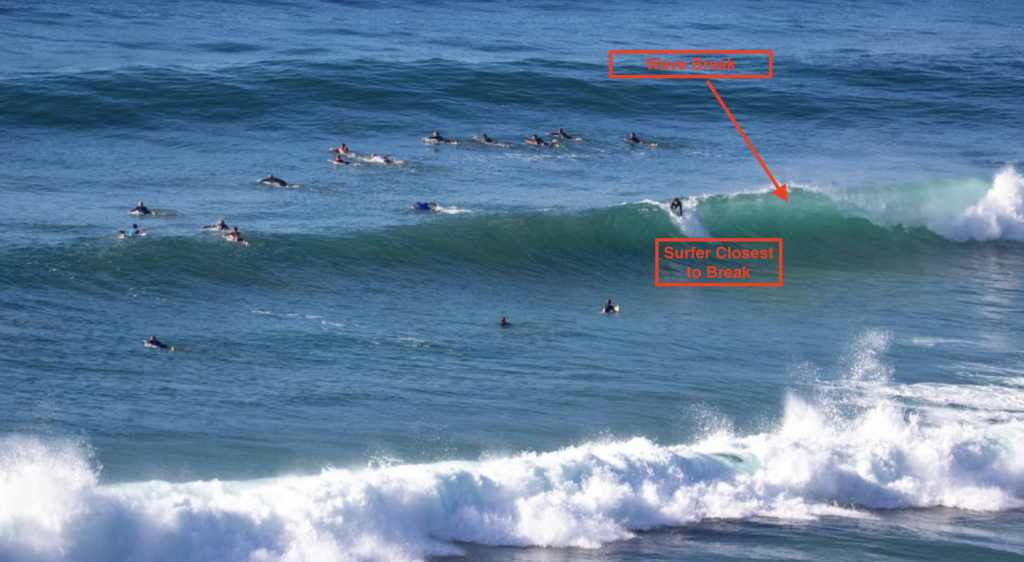
Image by: https://livinginsunshine.com/
Do:
Don’t:
Paddling Out Without Becoming a Hazard
How you get out to the lineup matters just as much as what you do once you’re there.
Do:
Don’t:
Hold Onto Your Board
This one surprises a lot of beginners, but it’s a real safety issue, not just etiquette.
Do:
Don’t:
Look Before You Leap
A few minutes of observation before paddling out will tell you more than jumping straight in ever will.
Do:
Don’t:
Respect the Locals and the Community
Bali’s lineups are shared spaces, and the local surfing community has been riding these waves long before it became a global destination.
Do:
Don’t:
Respect the Reef and the Beach
Bali’s ocean is the whole reason you’re here — treating it well keeps it good for everyone, including the next trip you take.
Do:
Don’t:
What This Looks Like as an Actual Beginner
Here’s the reassuring part: as a first-timer, you’re almost never dealing with the busiest, most competitive lineups. Beginner lessons happen at forgiving beach breaks like Kuta, Kelan or Seminyak, where whitewater waves are essentially unlimited — there’s no real scarcity to fight over, so priority disputes barely come up. Your instructor will also be right there guiding your timing, calling when it’s your turn, and keeping you out of anyone’s way while you’re still building comfort in the water.
If you do progress toward spots that draw bigger crowds — places like Batu Bolong, Padang Padang, or Bingin during peak season — a simple trick locals use is timing: surfing at dawn or choosing a quieter, less-publicized reef avoids the worst of the midday crowd pressure entirely.
The Real Takeaway
Lineup etiquette isn’t about perfection on day one — it’s about intention. Nobody expects a beginner to execute flawless duck-dives or perfect channel paddling immediately. What matters is that you’re paying attention, respecting priority, holding onto your board, and treating the people and the reef around you well. Get those habits right, and you’ll fit into any lineup in Bali — beginner or not.
Come out with us and we’ll walk you through all of this in real time, in the water, so it becomes second nature before you’re surfing on your own.

Yosua is a surf enthusiast with over 5 years of chasing waves across Bali’s iconic coastlines. From West coast to East coast of Bali, he’s spent years exploring what makes Bali one of the world’s greatest surf destinations. Through Surf Journey Bali, Yosua shares honest guides, local tips, and surf travel insights to help both beginners and seasoned wave-riders make the most of their Bali surf experience.