
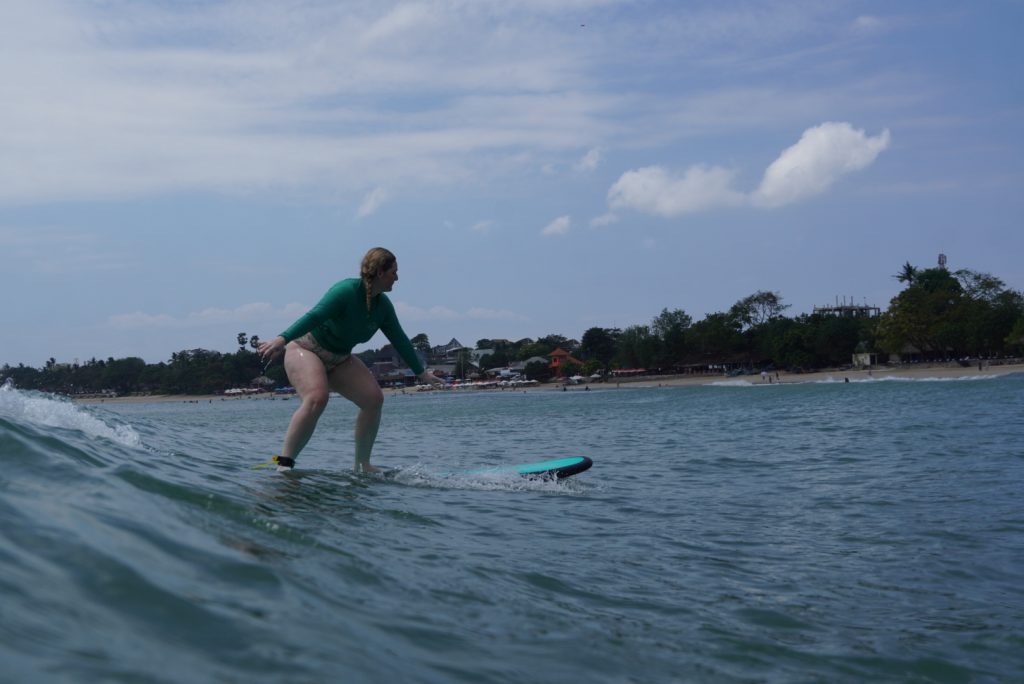
Kuta doesn’t have the same cachet as Uluwatu or the same postcard appeal as Dreamland. It’s busy, it’s touristy, and it’s not the wave anyone puts on a highlight reel. But ask any surf coach where they actually want a total beginner to take their first lesson, and Kuta comes up again and again — because the exact things that make it unglamorous are the same things that make it the best classroom on the island.
A Wave Built for Learning, Not Performing
Kuta is a textbook beach break: the waves form over shifting underwater sandbars rather than a fixed reef, breaking as wide, continuous peaks along a long stretch of sand. It’s officially classified as a beginner-level wave, ideal in the 2-to-4-foot range with a south or southwest swell, and works best around mid tide.
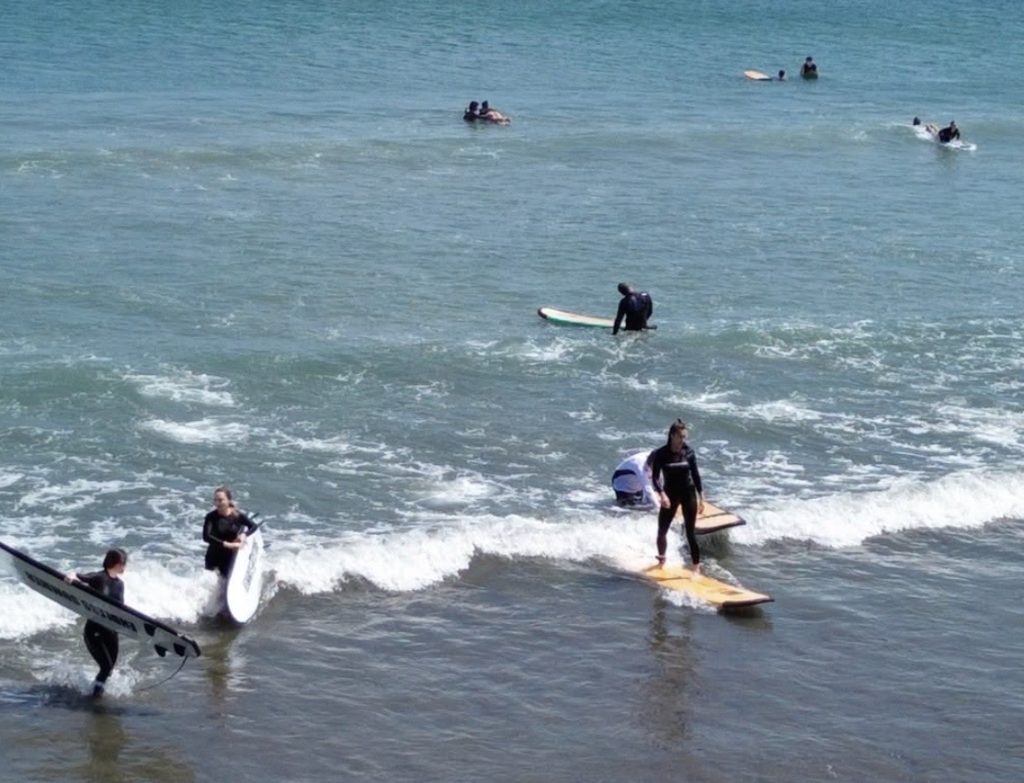
Unlike a reef break, where the wave always breaks in exactly the same spot over the same underwater feature, Kuta’s sandbars shift with the tide and swell, spreading peaks out across a wide area of beach — which means fewer people fighting over the same takeoff spot, and more room for you to simply catch waves.
No Sharp Consequences for Falling
This is the detail that matters most for anyone nervous about their first time on a board: Kuta is free of the coral and rock hazards that define so many of Bali’s other famous breaks. When you fall — and you will fall, a lot — you’re falling into open water over sand, not onto a shallow reef shelf. That single fact removes most of the real risk from the early, wobbly stage of learning, letting you focus entirely on balance and timing instead of worrying about what’s underneath you.
One caveat worth knowing: at low tide, waves here can dump more abruptly onto shallower sandbars, so conditions get a bit punchier and less forgiving during that window. Mid tide is genuinely the sweet spot, and it’s worth timing your lesson around it when you can.
Built for Repetition — and Repetition Is Everything
Learning to surf isn’t about one perfect wave, it’s about volume: dozens of paddle attempts, dozens of pop-ups, until the movement stops feeling deliberate and starts feeling automatic. Kuta’s wide, continuous stretch of sand-bottom peaks is exactly suited to that kind of repetition. There’s essentially unlimited whitewater to catch, over and over, with nothing to lose from getting it wrong. It’s precisely why coaches use spots like this to build paddle fitness, prone trim, and an explosive pop-up before ever reducing board volume or moving a student toward more demanding waves.
Genuinely Easy to Get To
Kuta sits right on Bali’s southwest coast, just minutes from the airport and in front of Beachwalk shopping center — which makes it a natural first stop whether you’re landing and heading straight into a lesson or squeezing one in before a flight home.

The beach itself stretches on for a long way, so despite being one of the busiest tourist areas on the island, there’s usually plenty of open sand and open water to work with, especially once you move a little away from the main strip. And once the lesson wraps up, Kuta happens to be one of the best spots on the island to watch the sunset — a nice bonus after a couple of hours of falling off a surfboard.
Timing Matters More Than You’d Think
Kuta follows the same daily wind pattern as the rest of Bali’s west coast, and it’s worth planning around. Through the middle of the day, strengthening trade winds tend to turn sideshore or onshore here, roughing up the wave face and making conditions noticeably choppier. The two windows that consistently deliver the cleanest water are early morning, before the wind builds, and the late-afternoon glass-off in the couple of hours before sunset, when the wind eases again. If you have flexibility in your schedule, booking a lesson in one of those two windows will give you a meaningfully better experience than a midday session.
When You’re Ready to Move On
Kuta is where nearly every surfer in Bali starts, but it’s not necessarily where you’ll stay. Once you’re consistently catching green waves and popping up with confidence, spots like Batu Bolong in Canggu or Baby Padang on the Bukit offer a natural next step — still forgiving, but with more shape and a longer ride to develop your trim and turning. Even so, Kuta doesn’t stop being useful once you’ve moved on. Plenty of intermediate surfers head back on a windy day, simply because a fun, mellow beach break beats fighting choppy conditions somewhere more demanding.
The Bottom Line
Kuta earns its reputation as Bali’s beginner wave honestly — not because it’s flashy, but because it’s exactly engineered by nature to remove every unnecessary obstacle between you and your first real waves. Forgiving sand bottom, endless whitewater, easy access, and a predictable daily rhythm to work around: it’s hard to design a better first classroom than the one that’s already there.
Ready to catch your first wave at Kuta? Book a lesson with us and we’ll time your session for exactly the window when the wave is at its best.

Yosua is a surf enthusiast with over 5 years of chasing waves across Bali’s iconic coastlines. From West coast to East coast of Bali, he’s spent years exploring what makes Bali one of the world’s greatest surf destinations. Through Surf Journey Bali, Yosua shares honest guides, local tips, and surf travel insights to help both beginners and seasoned wave-riders make the most of their Bali surf experience.