

Sanur has a reputation as Bali’s original, laid-back holiday town — quiet, unhurried, a world away from the buzz of Canggu or Uluwatu. The surf here follows the same pattern: instead of a wave breaking right off the beach, Sanur hides its reef system offshore, and it rewards exactly the kind of surfer willing to go find it.
Why Sanur Surfs on a Different Clock
Most of Bali’s famous breaks — Uluwatu, Padang Padang, Canggu — are dry-season waves, at their best when southeasterly trade winds blow offshore along the west coast. Sanur runs on the opposite rhythm. As the wet season sets in and wind patterns reverse toward the west and northwest, those same monsoon winds that turn the west coast choppy blow directly offshore across Bali’s eastern coastline — grooming Sanur’s reef into clean, hollow shape exactly when the rest of the island is struggling. It’s also worth noting that wet-season sessions here tend to come with noticeably lighter crowds and glassy morning windows, a nice trade-off for slightly less frequent swell.
The Reef System, Explained
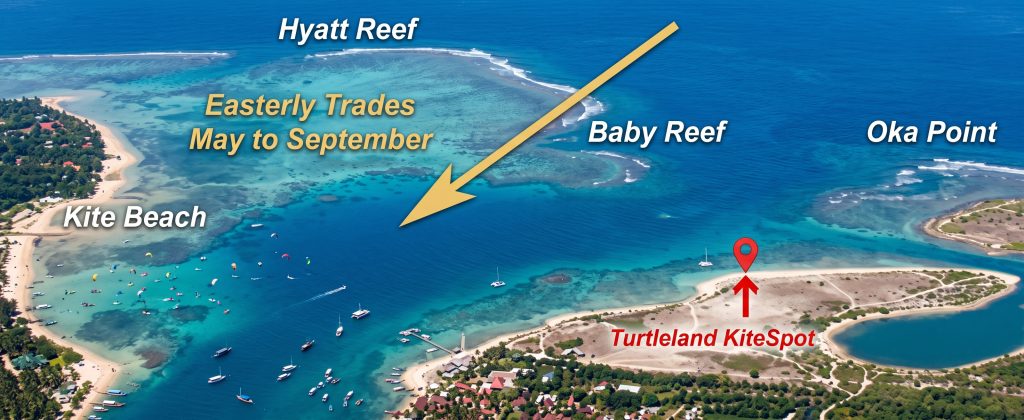
Sanur isn’t a single wave — it’s a stretch of reef running roughly 4 kilometers offshore, hosting several distinct breaks along its length. Unlike a beach break you can walk straight into, most of Sanur’s waves sit far enough out that reaching them means a long paddle or, more sensibly, a short boat ride from shore. Here’s how the main breaks along that reef stack up.
Sanur Reef: The Main Event
This is the wave Sanur is best known for among serious surfers — a powerful, fickle right-hander that needs a genuinely big swell (think one-and-a-half to double overhead) to turn on. When it’s working, it draws some of the most skilled surfers on the island, and the lineup can carry real competitive intensity and localism.
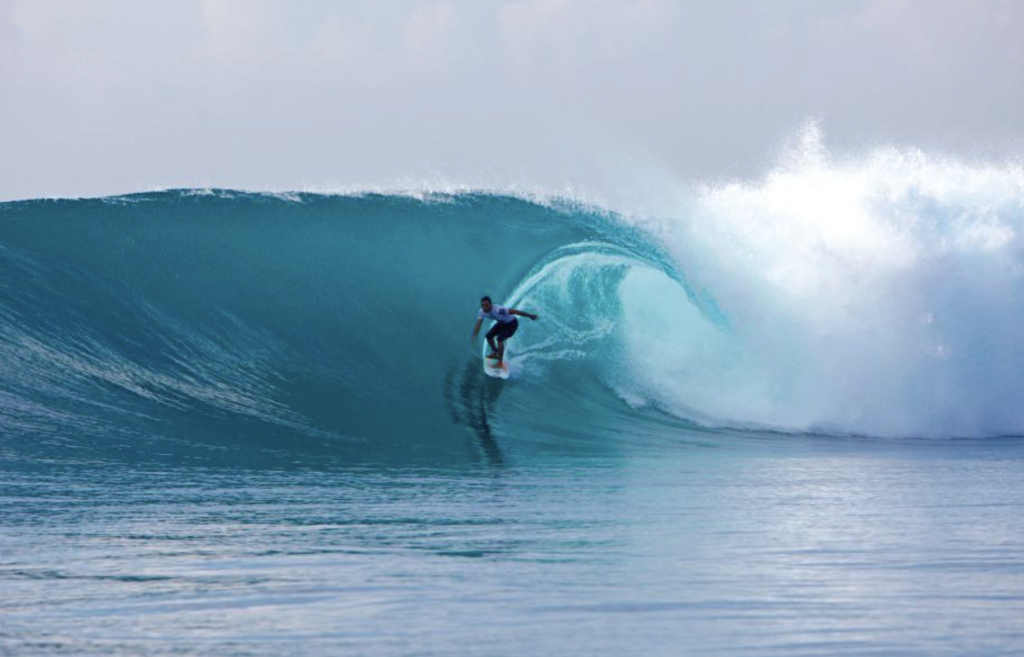
Image by: yeeew.com
Best surfed at high tide with the season’s westerly offshore winds, it’s reached either by paddling across the lagoon and threading the reef between sets, or by arranging a lift with a local boat driver. Take care coming in at low tide — the end section can turn into a rough shore-dump over exposed dry reef.
Hyatt Reef: The Friendlier Middle Ground
Sitting roughly a kilometer offshore in front of the Fairmont/Hyatt stretch of Sanur, this wave is generally considered the most approachable of the group without being a beginner spot outright. It effectively breaks into three sections: an outer peak that’s genuinely expert territory — short, steep, hollow — a main peak offering a mix of steep drop-ins, soft shoulders, and open barrels depending on the day, and an inside peak that softens considerably, offering long, rideable walls well suited to surfers progressing from beginner toward intermediate.
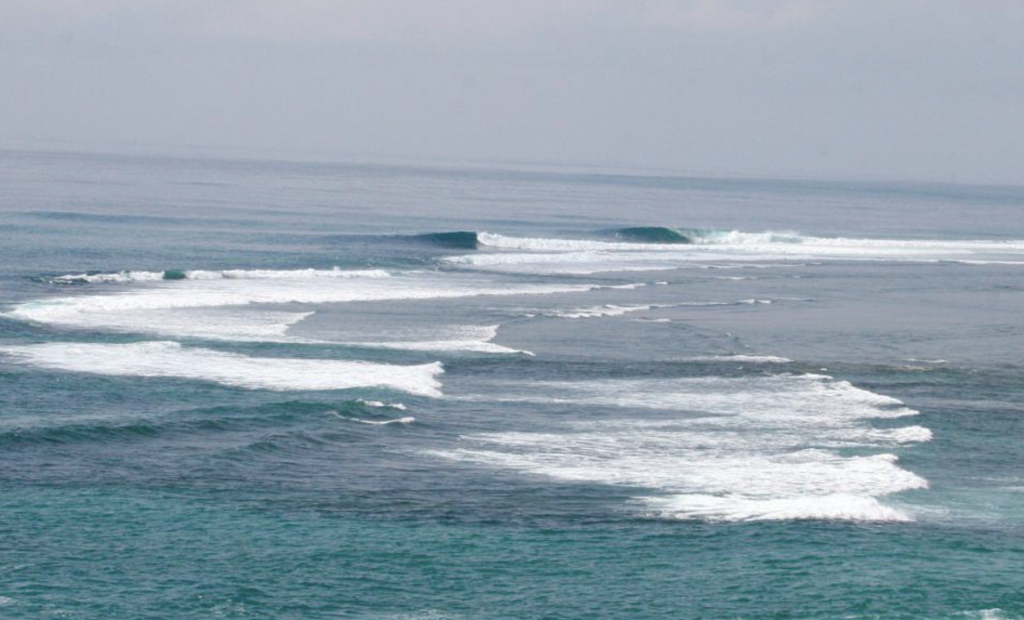
Image by: yeeew.com
It works on a south-to-southwest swell with offshore wind from the northwest to west, and while it technically breaks on all tides, low tide exposes more of the reef and raises the stakes. Reaching it means either a long paddle or a short boat charter, typically arranged from the beach nearby.
Baby Reef: Where Beginners Belong
True to its name, this is the pick of the Sanur breaks for anyone still building confidence in the water. Located a short boat ride offshore, Baby Reef offers soft, slow-breaking lefts and rights that hold their shape nicely on small-to-medium swell around mid-to-high tide — genuinely well suited to longboarders and developing surfers rather than the more serious crowd chasing Sanur’s outer reefs.
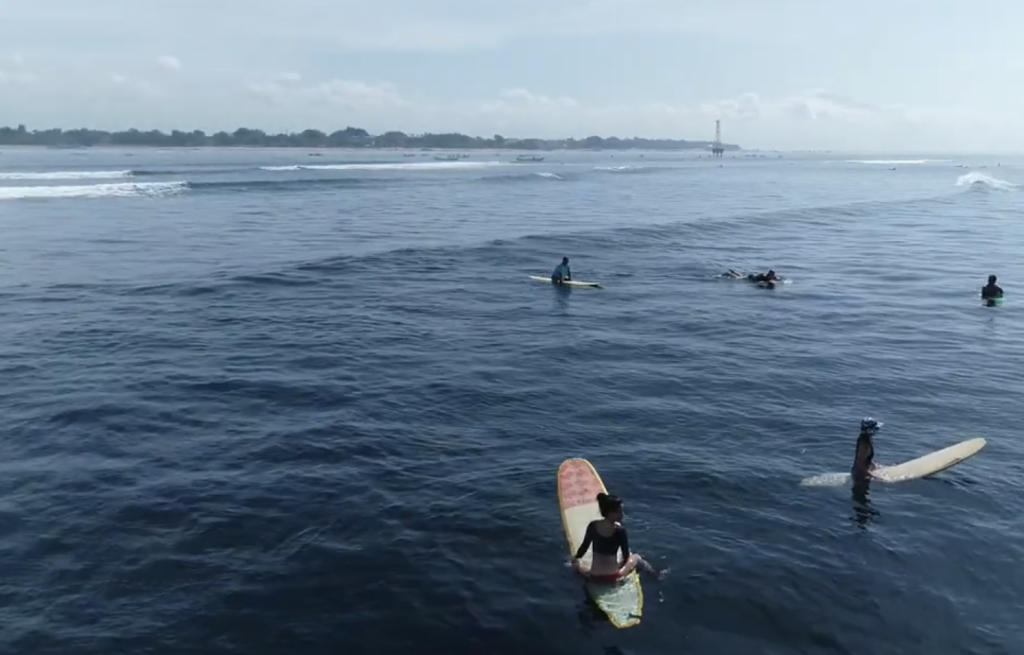
It’s a favorite among local surf schools for exactly that reason. One thing worth knowing: it breaks nicely up to around head-high, but beyond that it tends to become disorganized and closes out, so it’s very much a small-swell specialist.
Beyond the Main Three
Surfers with more experience looking to explore further along this stretch of coast will also hear mention of Tandjung Reef, generally regarded as one of the more demanding and rewarding waves on this side of the island — worth knowing about once you’ve got a season or two of Sanur’s other reefs under your belt.
Best Time to Go
Lining up with the guide’s own seasonal data, the wet season — roughly November through March or April — is Sanur’s prime window, when westerly and northwesterly monsoon winds blow reliably offshore across this coast. Outside of that window, expect the reef to be considerably less consistent, since Sanur genuinely depends on wind direction reversing away from the dry-season pattern that favors the rest of the island.
Getting Out There, and a Word on Respect
Nearly every wave along this reef is more comfortably reached by boat than by paddling — local boat drivers operate informally from the beach and will typically take surfers out to whichever break suits the day’s conditions for a modest fee. Given Sanur Reef’s reputation for a tight-knit, competitive lineup when it’s firing, this is one stretch of coast where going out with someone who knows the reef, the current local dynamics, and the right etiquette genuinely matters — not just for a better session, but for staying welcome in the water.
The Bottom Line
Sanur rewards surfers willing to look past the sleepy beach town and out toward the reef offshore — three genuinely different waves within the same short stretch of water, running on the exact opposite seasonal clock from the rest of Bali. Whether you’re chasing Sanur Reef’s serious barrels, working your way up at Hyatt, or building fundamentals at Baby Reef, timing your trip to the wet season and going out with someone who knows the reef will get you the best of what this coast has to offer.
Curious which Sanur reef suits your level? Tell us your experience and we’ll help arrange the right break, the right boat, and the right guide for your session.

Yosua is a surf enthusiast with over 5 years of chasing waves across Bali’s iconic coastlines. From West coast to East coast of Bali, he’s spent years exploring what makes Bali one of the world’s greatest surf destinations. Through Surf Journey Bali, Yosua shares honest guides, local tips, and surf travel insights to help both beginners and seasoned wave-riders make the most of their Bali surf experience.