
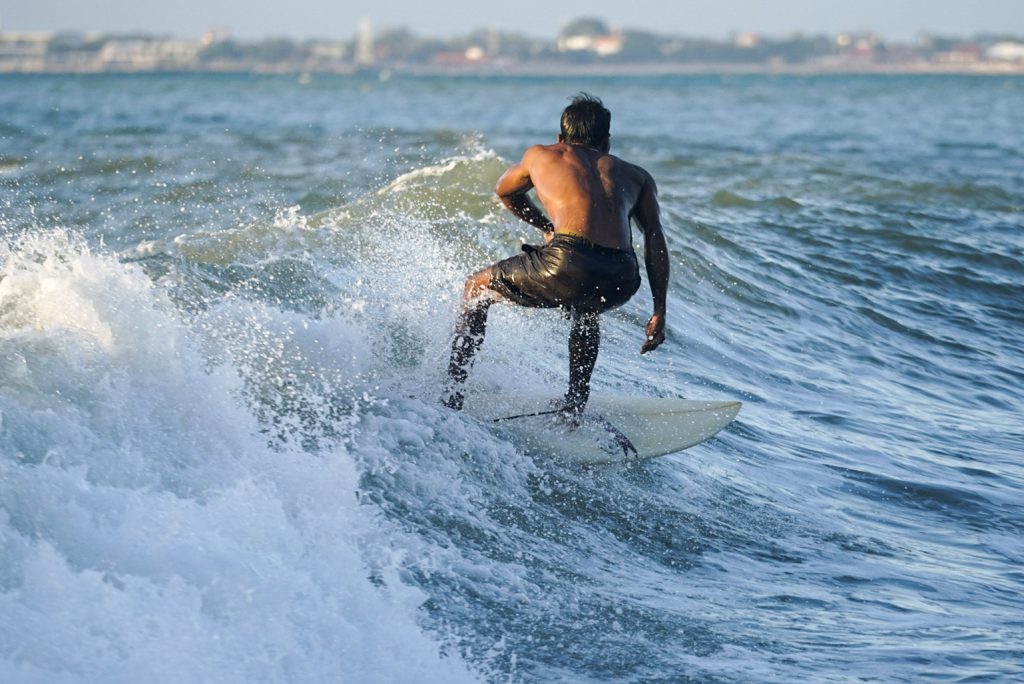
“When’s the best time to surf Medewi?” is one of the most common questions I get about this wave, and the honest answer is a little more nuanced than a single date range. Here’s the full seasonal picture.
The Quick Answer: Medewi Works Year-Round — But Not Equally
Medewi is officially rated a year-round wave, and that’s genuinely one of its best qualities — unlike a lot of Bali’s more strictly seasonal breaks, you can build a trip around it almost any time of year. But “works year-round” doesn’t mean every month delivers the same experience. The size, power, and cleanliness of the wave shift noticeably with Bali’s seasons, and knowing that shift will help you time your trip — or just your session — much better.
How Bali’s Two Seasons Actually Work
Before getting into Medewi specifically, it helps to understand the mechanism driving everything:
- Dry season (roughly April–October): High-pressure systems over Australia drive steady, dry southeast trade winds across Indonesia. These blow cleanly offshore along Bali’s southwest coast — exactly the coast Medewi sits on.
- Wet season (roughly November–March): The wind pattern reverses to west-northwest monsoons, which blow onshore on the west coast (including Medewi) but create clean offshore conditions on Bali’s eastern shoreline instead.
- Shoulder months (March–April and October–November): Winds go light and variable island-wide, producing glassy morning conditions on both coasts.
Medewi sits on the west coast, which is the key detail for everything that follows.
Dry Season at Medewi: The Power Window
This is Medewi’s strongest season, and it’s grouped in the data alongside the Bukit’s famous west-side breaks and Canggu as one of the primary beneficiaries of dry-season conditions. The wave here is fed by long-period groundswell — in the range of 14 to 20+ seconds, producing faces from around 4 up to 12+ feet at the biggest end. Swell frequency and size peak between June and August, making this the window for the most consistent size and power at Medewi.
Combined with the clean offshore trade winds this season brings to the southwest coast, dry season — especially June through August — is when Medewi is most likely to be firing at its best.
Wet Season at Medewi: Mornings Still Deliver
This is where the nuance comes in. Because Medewi sits on the west coast, wet-season monsoon winds blow onshore here in the afternoons — which is part of why Medewi’s year-round rating specifically notes mornings as the reliable window during this stretch of the calendar. Get there early, before the day’s onshore breeze builds, and Medewi still offers a genuinely good session even outside the dry-season peak.
One extra caution for wet season specifically: Medewi breaks off a boulder-strewn river delta, and river-mouth breaks like this one can carry bacteria-laden runoff into the surf zone after heavy rain. It’s worth giving it a day or two after a big storm before paddling out, and rinsing off with clean water afterward regardless of when you surf.
Shoulder Season: The Underrated Window
Don’t overlook March–April and October–November. These transitional months bring light, variable winds and glassy morning conditions across the entire island — not just one coast. It’s a genuinely good time to catch Medewi in a clean, uncrowded state without needing to plan specifically around the dry-season swell peak.
Best Time of Day, Whatever the Season
Regardless of which season you’re visiting in, dawn patrol — roughly 6:00 to 8:30 AM — is the cleanest window island-wide. Nighttime land cooling keeps conditions calm or lightly offshore before the sun heats things up. By midday, trade winds accelerate (up to 15–25 knots in the dry season), and while some of the Bukit’s sheltered cliff breaks stay offshore even then, more exposed setups can pick up chop and cross-wind that complicates takeoffs. Since Medewi’s own rating specifically calls out mornings, it’s a safe bet to treat dawn as the priority window here in any season.
Best Tide at Medewi
Mid tide is the consistent sweet spot at Medewi across the data, regardless of season — worth checking alongside your swell and wind planning rather than an afterthought.
Medewi Season Cheat-Sheet
- Best overall power and size: Dry season, peaking June–August
- Best for glassy, uncrowded mornings without chasing peak swell: Shoulder months, March–April and October–November
- Still workable, mornings only: Wet season, November–March (watch for river runoff after heavy rain)
- Best time of day, any season: Dawn patrol, roughly 6:00–8:30 AM
- Best tide: Mid tide
Final Word from Your Coach
Medewi’s year-round consistency is a real gift for trip planning — you’re rarely going to travel all this way and find it completely unsurfable. But if you want the biggest, most powerful version of this wave, aim for dry season and especially June through August. If your trip lands outside that window, don’t write Medewi off — just get there early and let the morning glass do the work.
Planning your Bali trip around Medewi, or not sure how to read the season you’re traveling in? At Surf Journey Bali, we track conditions across the island and can help you time your sessions — here and elsewhere — to match exactly when the waves are working.

Yosua is a surf enthusiast with over 5 years of chasing waves across Bali’s iconic coastlines. From West coast to East coast of Bali, he’s spent years exploring what makes Bali one of the world’s greatest surf destinations. Through Surf Journey Bali, Yosua shares honest guides, local tips, and surf travel insights to help both beginners and seasoned wave-riders make the most of their Bali surf experience.