
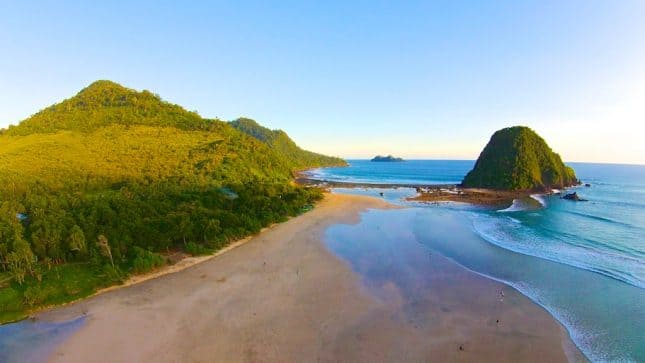
If G-Land is where advanced surfers go to test themselves, Red Island is where nearly everyone else goes to have a genuinely great time. Sitting just down the coast from Grajagan Bay in East Java, this laid-back, red-sand beach break offers something G-Land never will: a forgiving, sand-bottom wave that welcomes beginners, intermediates, and even seasoned surfers looking for an easy, uncrowded session.
Where Is Red Island, and How Do You Get There?
Red Island — known locally as Pulau Merah — sits in Banyuwangi, on the eastern tip of Java, near Sumberagung village in the Pesanggaran subdistrict. It’s roughly 60 km from Banyuwangi town, about a 2-to-2.5-hour drive or scooter ride along smooth access roads. The closest airport is Banyuwangi itself, though flying via Surabaya or Malang and connecting overland is also common.
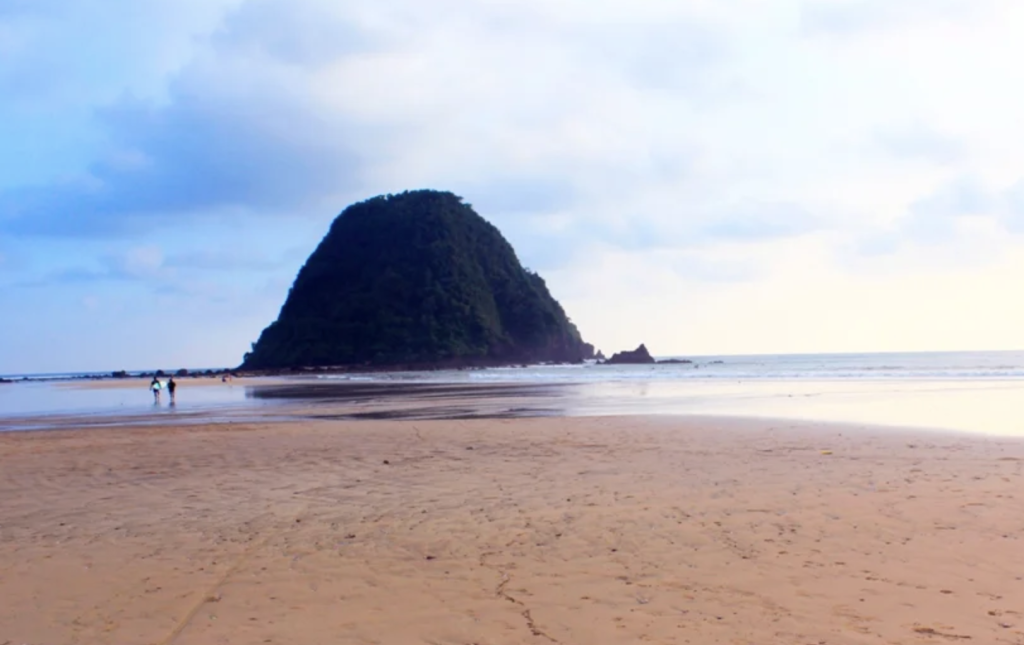
image by: ijenvolcanotour.com
Its name comes from the small, reddish-hued rocky islet just offshore — walkable at low tide, and cut off from the beach again once the water rises, giving the whole bay its distinctive color and character.
What Makes the Wave Different
Unlike the sharp coral and lava reef that defines G-Land just down the coast, Red Island breaks over open sand — which makes it a genuinely safe, welcoming spot for beginners in a way its famous neighbor simply isn’t. It’s a beach break that peels both left and right, and it suits a wide range of ability levels rather than demanding advanced technique to enjoy.
Wave Conditions: Size, Tide, Wind, and Swell
- Wave height: Typically runs 3 to 6 feet, with peak-season swells occasionally pushing up to 8 feet for surfers wanting a bigger challenge.
- Swell direction: Works best on a south or southwest swell.
- Wind: Southeast offshore wind is the ideal setup here, grooming the wave face into clean, well-formed lines.
- Tide: Mid to high tide is generally best. At low tide, sections of reef become exposed, which can turn a normally mellow session into a riskier one — worth checking the tide schedule before you paddle out, even on a spot this forgiving.
Best Season
The dry season, roughly April through October (with some sources extending the favorable window into November), brings the most consistent conditions. Outside of this stretch, the wave is still surfable but noticeably less predictable.
This is genuinely one of the more versatile waves in Indonesia:
- Beginners benefit most from the open sand bottom and generally mellow wave energy — a real rarity this close to a wave as serious as G-Land.
- Intermediate surfers get more push and shape to work with on bigger swell days, enough to practice turns and trim without the intensity of a reef break.
- Advanced surfers can still have fun here on peak-season 6-to-8-foot days, though most will treat Red Island as the warm-up or rest-day wave before heading to G-Land for the real challenge.
Gear and Safety Tips
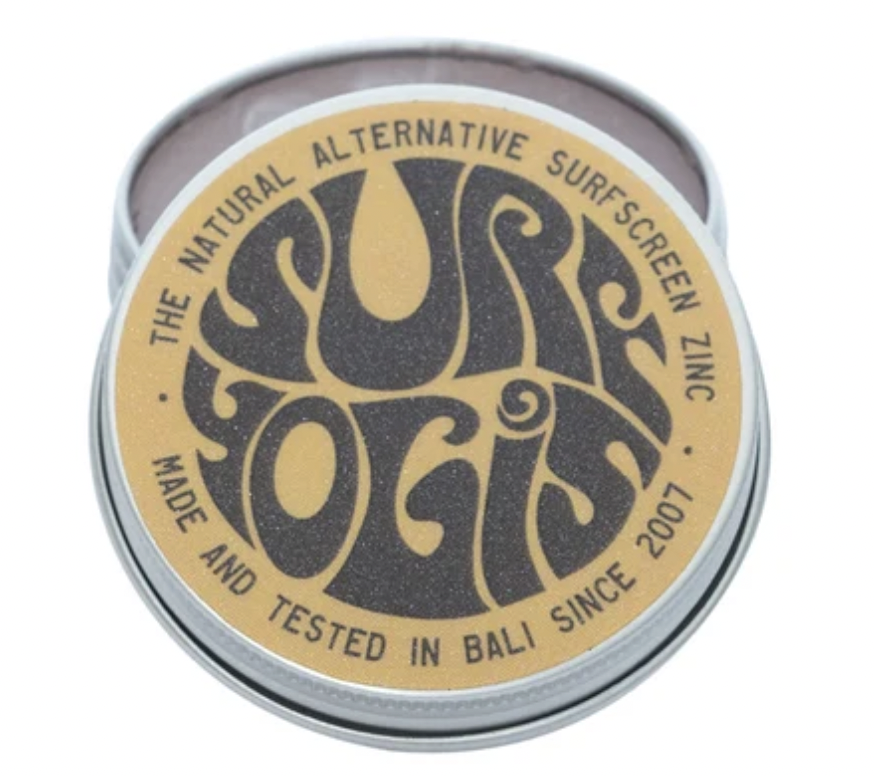
A few practical notes worth carrying over from general reef and sun safety: reef-safe mineral sunscreen is worth packing and reapplying through the day, since equatorial sun exposure here is just as intense as anywhere else in Indonesia. Even though the beach itself is sand, don’t let your guard down entirely — the exposed reef sections at low tide are a real hazard, so treat tide timing with the same seriousness you would at a full reef break.
On equipment, most surfers here prefer a shortboard given the wave’s size and shape, though a longboard can still work well on smaller, mellower days — worth matching your board to conditions rather than defaulting to one setup for the whole trip.
Local Flavor
Red Island has built a genuine reputation of its own — Banyuwangi hosts an annual international surfing competition here that draws competitors from roughly twenty countries. Outside of competition days, though, it stays notably quieter than Bali’s busier lineups, giving visiting surfers more space and far less competition for waves. If you’ve felt crowd anxiety at spots like Uluwatu or Canggu, this is about as close as you’ll get in Indonesia to the wide-open, pre-tourism feel that put Bali on the map decades ago.
Pairing It With G-Land
Because Red Island sits so close to Grajagan Bay, many surf trips combine the two: basing near G-Land and using Red Island as the accessible, lower-stakes session on rest days or smaller swells, saving the reef’s full power for when conditions are firing. It’s also a smart call when Bali’s own surf season isn’t cooperating — a genuine alternative destination rather than a fallback.
Timing Your Session
The same principle worth applying anywhere in Indonesia holds here too: earlier sessions tend to be glassier and less crowded, before onshore wind and midday heat build through the day. A dawn start, or a session timed to the easing afternoon breeze, will generally reward you with the cleanest version of this wave.
The Bottom Line
Red Island earns its place as one of East Java’s most approachable waves — open, sandy, forgiving, and refreshingly uncrowded, with just enough size on a good day to keep more experienced surfers entertained too. Paired with a trip to G-Land next door, it rounds out a genuinely well-balanced Java surf itinerary for surfers of nearly any level.
Planning a trip beyond Bali? Talk to us about combining Red Island and G-Land into one well-timed Java surf itinerary.

Yosua is a surf enthusiast with over 5 years of chasing waves across Bali’s iconic coastlines. From West coast to East coast of Bali, he’s spent years exploring what makes Bali one of the world’s greatest surf destinations. Through Surf Journey Bali, Yosua shares honest guides, local tips, and surf travel insights to help both beginners and seasoned wave-riders make the most of their Bali surf experience.