
The Airport Reefs don’t get nearly as much attention as the famous Bukit cliff breaks nearby, but for the right surfer at the right stage, they’re one of the smartest waves on the island to target. Here’s everything worth knowing.
What Are the Airport Reefs, and Where Are They?
The Airport Reefs are an outer-reef zone on Bali’s southwest coast near Jimbaran Bay, named for their proximity to Ngurah Rai International Airport. The main named wave in this zone is Toro Toro, reached by outrigger boat from Kelan beach rather than a beach or cliff-stair walk-in like most of the Bukit’s reef breaks.
Who Are the Airport Reefs Good For?
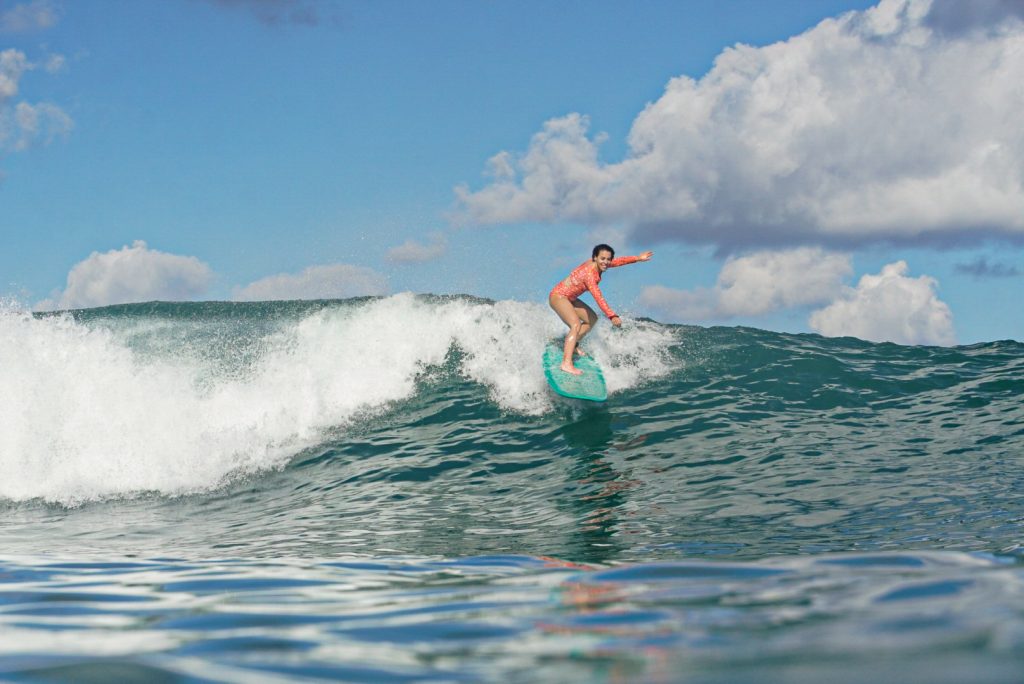
This is rated an Intermediate wave, and it earns that rating in a genuinely useful way: it lacks the heavy, critical ledges that define so much of the Bukit’s cliffside surf. Instead, it produces a soft, rolling shoulder over deep water — real reef-break experience, without being thrown straight into the shallow, unforgiving setups you’d find at spots like Bingin or Padang Padang.
If you’ve already got some reef confidence from a wave like Batu Bolong or Balangan and you’re looking to build toward the Bukit’s more serious breaks, the Airport Reefs are a smart, lower-consequence place to keep developing.
What Are the Wave Conditions Like?
- Wave type: Soft, rolling right-hand shoulder peeling over an open-ocean reef pass, in deep water
- Swell size: Typically 4–8 ft
- Swell direction: Southwest
- Best tide: Mid to high tide
- Best season: Dry season, roughly April–October
The deep water underneath the wave is really the whole story — it’s what turns this into a noticeably softer, more forgiving ride than the shallow coral shelves that dominate the rest of the Bukit coastline.
Getting There: Boat Access, Not a Walk-In
This is a genuinely different logistical setup than most Bali reef breaks. No cliff staircase, no timing your paddle out around a cave mouth — just a boat ride out from Jimbaran Bay or Kelan. Book through a local operator or boat captain who knows the reef and can read the day’s conditions before you commit.
What Board Should You Bring?
Given the soft, rolling shape of the wave and the deep water it breaks over, this is a good spot to ride a performance-leaning board without needing extra volume or forgiveness — a solid place to work on trim and turning without the pressure of a hollow, critical drop.
Safety Considerations
- Still a reef, even in deep water. Avoid contact with living coral, and take any cuts or scrapes seriously.
- Boat access changes your safety plan. Have a clear arrangement with your operator for pickup and return, especially if conditions shift mid-session — you can’t just walk back in from here.
- Open-ocean reef passes can carry current. Stay aware of your position relative to the channel and the boat.
- Sun and hydration matter more on a boat session, given the longer, more exposed time on the water.
Final Word from Your Coach
The Airport Reefs are exactly the kind of wave that makes progression in Bali feel achievable — genuine reef-break experience, softened by deep water, without the intimidation factor of the Bukit’s heavier ledges. If beach breaks feel too easy but Uluwatu still feels like a stretch, this is a great way to close that gap.
Want a coach to arrange the boat and help you read an outer reef pass like this for the first time? At Surf Journey Bali, we’ll get you out there safely and make sure the session builds real skill, not just wave count.

Yosua is a surf enthusiast with over 5 years of chasing waves across Bali’s iconic coastlines. From West coast to East coast of Bali, he’s spent years exploring what makes Bali one of the world’s greatest surf destinations. Through Surf Journey Bali, Yosua shares honest guides, local tips, and surf travel insights to help both beginners and seasoned wave-riders make the most of their Bali surf experience.