
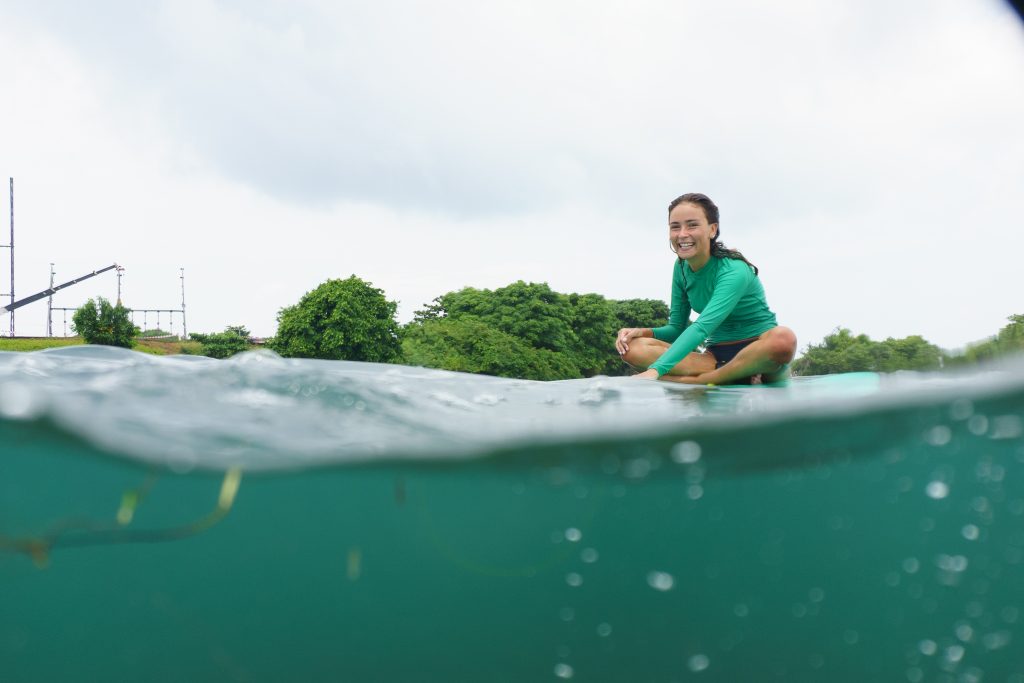
Short answer: yes, absolutely — and it’s one of the better places in Bali to do it, especially if you’re still early in your surfing journey. Here’s what you’re actually getting if you paddle out at Seminyak.
What Kind of Surf Does Seminyak Have?
Seminyak is a sand-bottom beach break, part of a continuous 4-kilometer stretch of sandbar coastline it shares with neighboring Kuta Beach. The bottom is dynamic sand that shifts with tides and storms, producing forgiving, dynamic peaks — no coral, no rock, just sand underneath you.
It’s rated Beginner to Intermediate, and works year-round, with waves typically running 2–5 ft on a south/southwest swell, best at mid to high tide.
Is Seminyak Good for Beginners?
Yes. This is exactly the kind of environment beginner surfing is built around: soft, slow-rolling waves breaking over sand in waist-to-chest-deep water, letting you drill paddling posture, pop-ups, and balance without serious consequences if you fall. On small-to-medium south swells at mid tide, the outer sandbars break gently and reform into waist-high whitewater and slow green waves on the inside — a genuinely ideal platform for your early pop-up and first attempts at directional trim.
One nuance: Seminyak tends to produce punchier, faster walls than Kuta right next door. If you’re a complete first-timer choosing between the two, Kuta’s slightly gentler peaks might be the softer landing spot — but Seminyak is still very much a beginner-appropriate wave, and a great next step once you’ve had a session or two.
The One Thing to Avoid: Low Spring Tides
This is the most important practical tip for surfing Seminyak, regardless of your level: avoid low spring tides, when waves dump directly onto shallow sandbanks instead of peeling gently. Check the tide before you go, and favor mid-to-high tide sessions for a far friendlier, more forgiving wave.
When Should You Surf Seminyak?
Aim for an early session — mornings are generally calmer and cleaner across Bali’s coastline before the day’s trade winds build and start adding chop. Combine that with a mid-to-high tide window and you’ve got the ideal Seminyak setup.
What Do You Need to Bring?
If you’re newer to surfing, a soft-top or foam longboard is the standard choice — more volume means easier paddling and earlier wave-catching while you’re still building balance and technique. As Seminyak’s punchier walls start to feel manageable, it’s a reasonable place to start working toward a smaller, more performance-oriented board.
Can You Take Lessons in Seminyak?
Yes — Seminyak is well set up for this. Surf Journey Bali operates here (alongside locations in Kelan Airport, Muaya Jimbaran, Canggu and Uluwatu), offering twice-daily guided sessions, a structured multi-tier beginner curriculum, and video analysis, catering to everyone from complete beginners to advanced surfers. If you’re unsure where to start, a lesson is a genuinely efficient way to skip a lot of trial and error.
Final Word from Your Coach
So, can you surf in Seminyak? Yes — it’s a legitimately good, accessible sand-bottom beach break that suits beginners and intermediates alike, as long as you respect the tide and get in the water at the right time of day.
Thinking about your first (or next) session in Seminyak? At Surf Journey Bali, we’ll make sure you’re out there on the right tide, with a coach who’ll actually help your technique improve, not just count waves.

Yosua is a surf enthusiast with over 5 years of chasing waves across Bali’s iconic coastlines. From West coast to East coast of Bali, he’s spent years exploring what makes Bali one of the world’s greatest surf destinations. Through Surf Journey Bali, Yosua shares honest guides, local tips, and surf travel insights to help both beginners and seasoned wave-riders make the most of their Bali surf experience.