
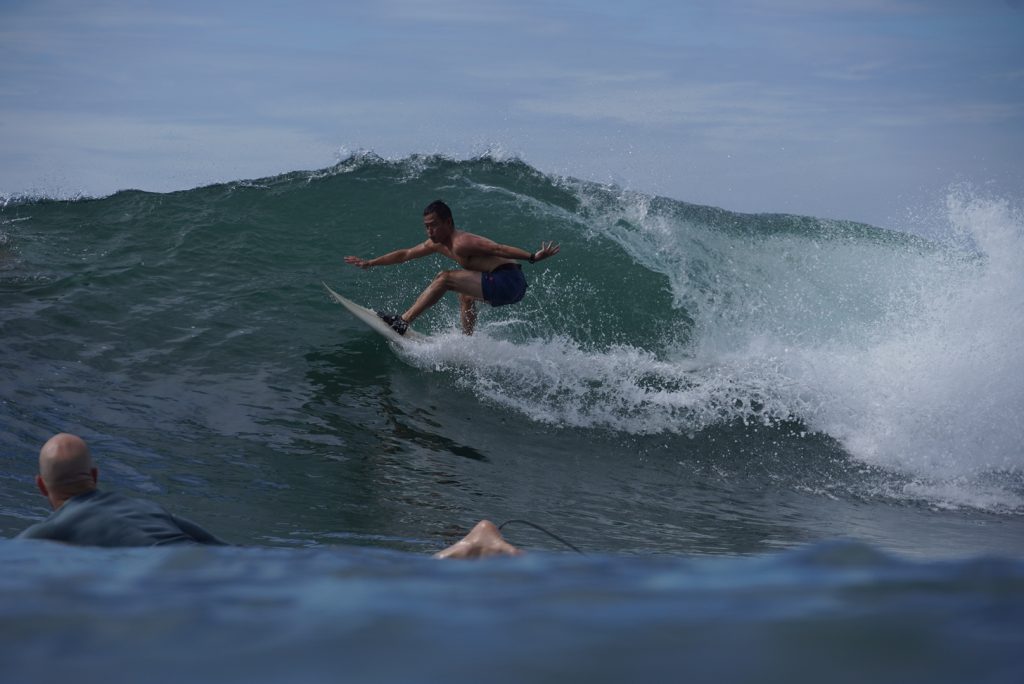
Balian doesn’t chase the same reputation as Bali’s reef-break icons — no barrels compared to Hawaii, no expert-only warnings. What it offers instead is something arguably more useful for most surfers: a long, playful, rivermouth wave that keeps producing rideable surf even when the rest of the island goes flat.
Where Is Balian?
Balian is a small village on Bali’s west coast, in the Tabanan regency near Lalanglinggah — roughly 30 to 45 minutes northwest of Canggu, and about half an hour before you’d reach Medewi further up the coast. It sits just off the main highway connecting Denpasar to Gilimanuk, making it an easy detour for surfers exploring west Bali. The village itself has developed a genuine surf-and-yoga retreat culture over the years, among the better-known spots to base yourself right on the wave.
The Wave: A Rivermouth A-Frame
Balian breaks where a river meets the sea, over a mixed bottom of boulders, shingle, and sand rather than the sharp coral reef found on the Bukit. That rivermouth influence matters: the sandbanks shift with the seasons and with rainfall, meaning the exact shape of the wave can vary noticeably from one visit to the next — usually for the better after moderate rain reshapes the banks, though occasionally for worse.
What you’ll typically find is an A-frame peak offering both lefts and rights. The left is generally the star of the show — long, consistent, and often described as one of the longest left-handers anywhere in Bali, peeling for well over 100 meters into the bay. The right is shorter and punchier, with more hollow potential, but tends to shut down as it runs back toward the river mouth, and there’s no real paddle-back channel on that side — getting back out takes a bit of extra strength and persistence.
Best Tide, Swell, and Wind
Balian works across the tidal range, but mid-to-high tide is generally the sweet spot, softening the wave into a more forgiving, rounder shape. Low tide can actually work well too, but mainly when the swell is small — in those conditions it livens the wave up into more of a performance wall; on bigger days, low tide tends to leave the wave without enough definition. Balian also handles big spring high tides better than most spots on the island, provided there’s enough swell to make it break.
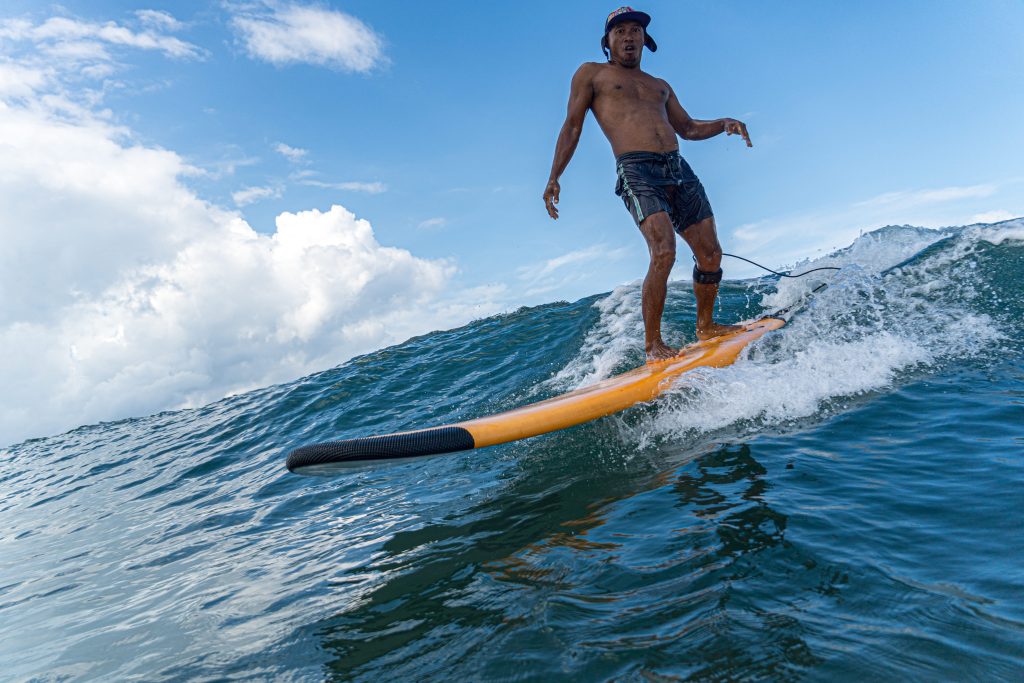
Swell-wise, this is a small-to-mid-range specialist. It handles waves up to around one-and-a-half times overhead comfortably, occasionally pushing toward double overhead — but there’s nothing offshore to refract or absorb incoming energy, so a genuinely big swell can turn Balian into a dangerous, unsurfable washing machine rather than a fun session. If a big swell is running, most surfers head roughly 45 minutes further west to Medewi instead, where the point break setup handles size far better.
Wind wants to come from the northeast to northwest to stay offshore, though in practice the trade winds here tend to blow cross-shore or onshore through the middle of the day in both seasons. That makes the same principle worth applying here as anywhere in Bali: early morning sessions and the late-afternoon glass-off, once the wind eases, are consistently your best windows for clean conditions.
Best Season
The dry season, roughly May through October, is when Balian is most consistent and least affected by onshore wind. That said, it’s genuinely earned its reputation as a swell magnet — capable of holding a rideable wave even during stretches when spots like Canggu and Medewi have gone completely flat, which is exactly why it draws a crowd on days when the rest of the coast isn’t working.
Who Should Surf Here
Balian is one of the more genuinely versatile waves on this coast. There’s a gentler inside section that suits beginners working on fundamentals, while the longer outside walls give intermediates plenty of room to practice turns without the intensity of a Bukit reef. Advanced surfers tend to enjoy it too, less for a serious technical challenge and more as a relaxed, rippable wave to simply have fun on.
Hazards to Know
A few practical things worth knowing before you paddle out. The boulder bottom can carry barnacles at lower tide, sharp enough to cut bare feet, so watch your footing entering and exiting the water. Big swell is a genuine hazard here rather than just a discomfort — with no reef or headland to soften incoming energy, oversized swell brings dangerous currents and a wave that becomes essentially unsurfable, not just uncomfortable.
Water quality is also worth real attention, and this is where Balian’s rivermouth location cuts both ways. Following heavy rain — particularly at the start of the wet season, from November through January — monsoon runoff carrying agricultural pesticides, debris, and untreated municipal waste flushes directly through rivermouth breaks like Balian, elevating bacterial contamination in the water. It’s genuinely worth avoiding a session immediately after torrential rain, rinsing off thoroughly with clean water once you’re out, and taking any severe stomach symptoms afterward seriously enough to seek medical care if they develop. Murky, brown water following heavy rain is also a reasonable cue to sit a session out for more than one reason, so treat it as a signal to wait rather than push through.
Getting There and Where to Stay
Balian is reached by heading northwest along Jalan Raya Denpasar–Gilimanuk and turning off toward the coast on Jalan Pantai Balian, following it to the end. Parking is limited, but a handful of warungs and places to stay have grown up around the wave, reflecting the village’s shift into a genuine surf-and-yoga destination in its own right rather than just a stop on the way to somewhere else.
The Bottom Line
Balian won’t headline anyone’s Bali surf trip the way Uluwatu or Padang Padang might, and that’s exactly its appeal. It’s a long, forgiving, genuinely fun rivermouth wave that rewards flexibility — time your session around the tide and the daily wind window, respect the water quality after rain, and you’ll likely find one of the more relaxed, satisfying sessions the west coast has to offer.
Thinking about adding Balian to your Bali itinerary? Tell us your experience level and travel dates, and we’ll help you time a session around the right tide and swell window.

Yosua is a surf enthusiast with over 5 years of chasing waves across Bali’s iconic coastlines. From West coast to East coast of Bali, he’s spent years exploring what makes Bali one of the world’s greatest surf destinations. Through Surf Journey Bali, Yosua shares honest guides, local tips, and surf travel insights to help both beginners and seasoned wave-riders make the most of their Bali surf experience.